There is no doubt that being a teenager has never been easy. Whether you were navigating adolescence in the 1970s or facing it head-on in 2025, some stressors remain the same: the pressure to fit in, questions of identity, struggles with self-confidence, school expectations, and tension at home. These challenges are part of the human growing-up experience.
But today’s teens are not just walking the same path. We are asking them to do it while facing louder, faster, and more persistent pressures.
In the 1970s, peer pressure happened in person. Bullying ended when you got home. Your mistakes were not captured on video. You did not carry a screen in your pocket constantly telling you who you should be, what you should look like, or what you are missing out on.
Teens today still face all the timeless stressors, but with the added weight of social media, cyberbullying, academic overdrive, a nonstop digital environment, school safety concerns, and even anxiety about the future of the planet. The volume is turned way up. The pace is relentless, and a sense of peace is harder to find. And often, they feel alone in dealing with it all.
Yet, in the midst of all that, we see something incredible happen in our martial arts programs.
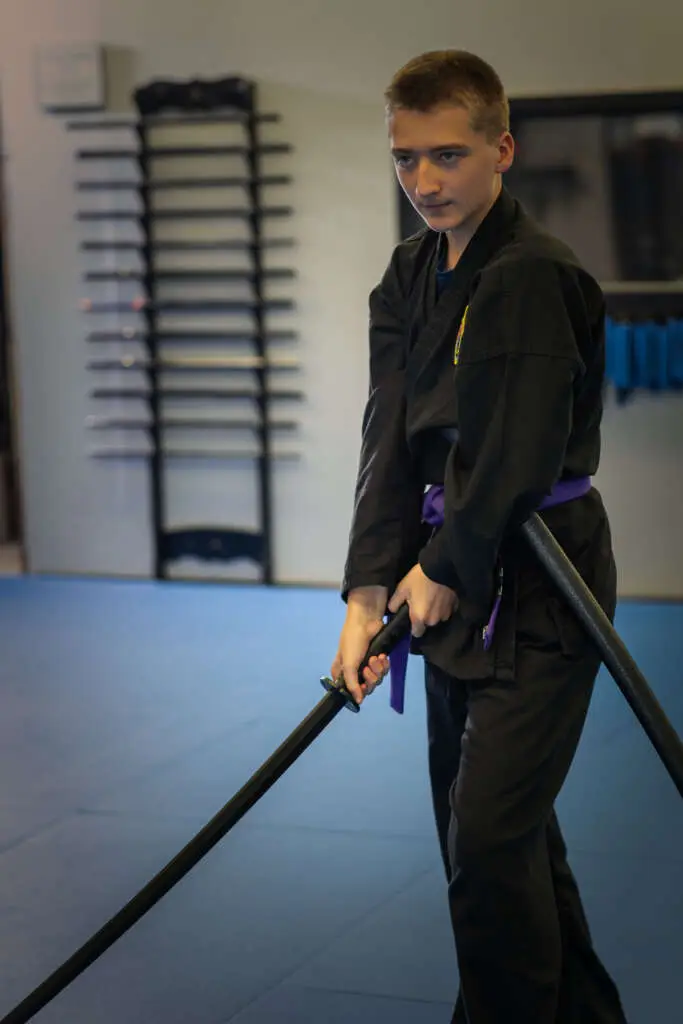
When a teen walks into the dojang for the first time, you can often see the overload on their face. Distraction, discomfort, and sometimes a wall of self-doubt. But then, when they begin to train, something begins to shift.
At first, it is just the movements that you see beginning to change. A basic stance. A well-placed strike. But before long, you notice they are standing taller, making eye contact, listening closely, and moving with purpose. For many, it is the first time they have been asked to focus on one thing, fully and without interruption, in a very long time. And it changes them.
Through consistent training, teens begin to reset. They find structure without rigidity. They learn how to deal with pressure by facing it directly on the mat, safely, confidently, and with support. They build real-life social skills, not filtered through a screen, but through eye contact, respectful interaction, and shared effort. They begin to trust themselves.
Over the last several decades of teaching, I have seen quiet teens become leaders, struggling students find new motivation, and kids who felt like outsiders discover a second home and foster lifelong relationships.
HapKiDo does not remove the stressors of the modern world. But it gives teens the tools to face them with strength, discipline, and clarity. It helps them develop an internal compass that is not easily shaken by the noise around them.
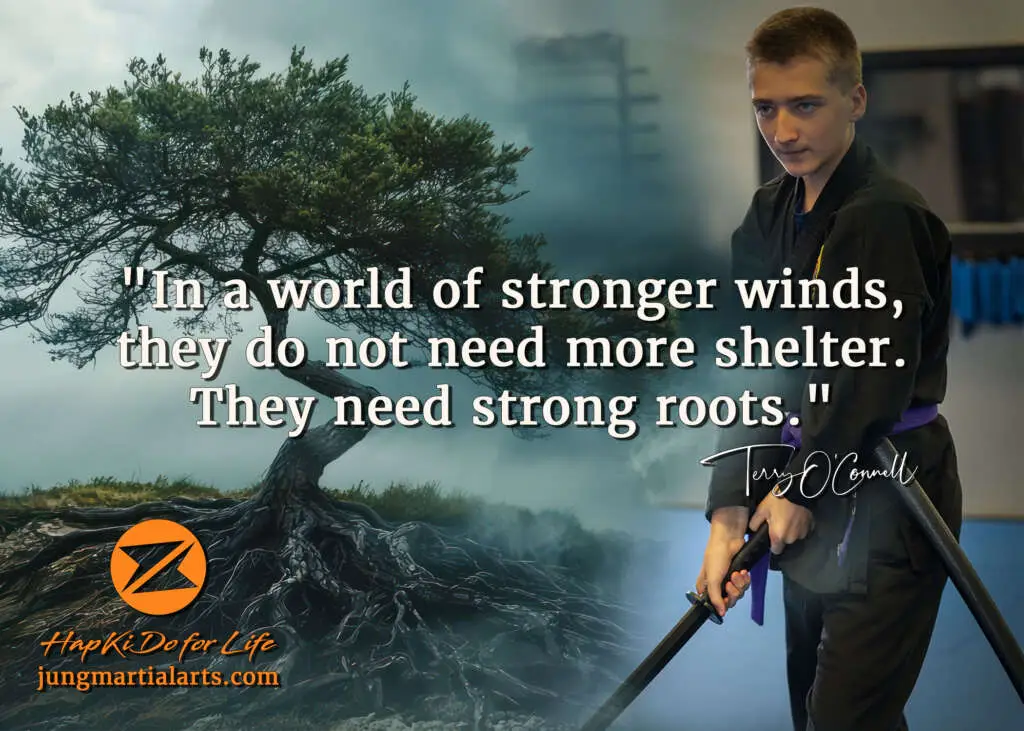
In a world of stronger winds, our teens do not need more shelter. They need strong roots.
That is what we are building. One class at a time.
Love & Respect,
Terry